What is it?
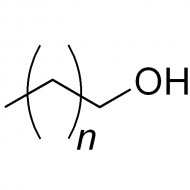
A synthetic polymer used in cosmetics as a skin-conditioning ingredient. It is built from two fatty alcohols, behenyl alcohol (22 carbons) and octyldodecanol (a branched 20-carbon alcohol), plus propanediol, a small diol, all linked together by citric acid, the acid of citrus fruit. The result is a large, crosslinked polyester. It is a newer ingredient with far less published safety data than its building blocks.
Key information
- We found no published safety assessment or test data for this exact ingredient, and it does not appear in the CIR's 2022 table of safety conclusions.
- The CIR Expert Panel has found each of its building blocks safe as used in cosmetics: behenyl alcohol, octyldodecanol, propanediol and citric acid.
- Citric acid and stearyl citrate, a fatty ester of citric acid, are generally recognized as safe (GRAS) direct food additives in the U.S.
More information
Citric acid has three acid groups, so one molecule can bond to several alcohol molecules at once. Citrate esters are typically made by condensing an alcohol with citric acid; here behenyl alcohol, octyldodecanol and propanediol are joined into a crosslinked polyester, or crosspolymer. The name lists the building blocks but not their proportions or the size of the polymer. Industry makes nearly all citric acid by fermentation rather than from citrus fruit.
We found no Cosmetic Ingredient Review (CIR) assessment of this crosspolymer and no published skin irritation or allergy tests on it, so the case for its safety rests on its parts. The CIR Expert Panel found behenyl alcohol safe as used in 1988 and octyldodecanol in 1985, and later reaffirmed both; in clinical patch tests, octyldodecanol and related fatty alcohols showed a very low potential for irritation and allergy. The panel found propanediol safe as used in 2018. In 2012 it concluded that citric acid and 20 alkyl citrate esters are safe as used. Stearyl citrate is readily broken down to stearyl alcohol and citric acid in dogs, and trioctyldodecyl citrate, which carries the same octyldodecyl groups, did not irritate or sensitize human skin, although undiluted it was a mild sensitizer in a mouse test.
In short, nothing about its building blocks suggests a concern at cosmetic use levels, but the finished polymer has not been independently assessed, and we found no data on whether any of it passes into the skin. Its close relative stearyl/octyldodecyl citrate crosspolymer is in the same position.
Sources: Cosmetic Ingredient Review: Final report on the safety assessment of citric acid, inorganic citrate salts, and alkyl citrate esters (2012); Journal of the American College of Toxicology (1988), via Cosmetic Ingredient Review: Final report on the safety assessment of cetearyl alcohol, cetyl alcohol, isostearyl alcohol, myristyl alcohol and behenyl alcohol; Journal of the American College of Toxicology (1985), via Cosmetic Ingredient Review: Final report on the safety assessment of stearyl alcohol, oleyl alcohol and octyl dodecanol; Cosmetic Ingredient Review: Quick reference table of safety conclusions (September 2022)