What is it?
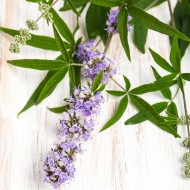
An essential oil distilled from the leaves of lemon balm, Melissa officinalis, an herb in the mint family. Its fresh lemon scent comes mainly from citral, a mix of geranial and neral, along with citronellal. The leaves yield less than 1 percent oil. It scents skin care and perfumes, and lemon balm is also used to flavor foods and drinks.
Key information
- Lemon balm leaves contain only 0.06 to 0.8 percent essential oil, according to the European Medicines Agency.
- Citral, the oil's main scent compound, can cause skin allergy and must be named on EU labels above 0.001 percent in leave-on or 0.01 percent in rinse-off products.
- From January 1, 2027, new cosmetics sold in the EU must also keep citral within set maximums, such as 0.15 percent in most leave-on skin products.
- The FDA lists balm (lemon balm) among essential oils generally recognized as safe (GRAS) for use in food.
More information
The oil’s composition varies a great deal. A 2022 review describes two chemotypes: a citral type, rich in geranial and neral, and a germacrene D type. In one Polish study, geranial and neral together made up about 78 percent of the oil, while samples in another study held more caryophyllene oxide and beta-caryophyllene than citral.
The European Medicines Agency’s herbal committee reviewed lemon balm leaf as a traditional herbal medicine and found no case reports of adverse reactions or other safety signals in the published literature or the WHO database. That review covered the leaf rather than the concentrated oil, and the oil has not been reviewed by the Cosmetic Ingredient Review (CIR) Expert Panel. The FDA lists lemon balm among the essential oils generally recognized as safe for their intended use in food.
The main concern with the oil is skin allergy from citral. The EU already requires citral to be named on labels above 0.001 percent in leave-on and 0.01 percent in rinse-off products. After the EU’s Scientific Committee on Consumer Safety assessed citral’s potential to cause skin sensitization in 2024, the EU set maximum levels, and products that exceed them may not be placed on the EU market from January 1, 2027. The limits range from 0.032 percent in deodorants to 1.2 percent in rinse-off skin and hair products, with 0.15 percent for most leave-on skin products.
On labels, look for Melissa Officinalis Leaf Oil. If you know you are allergic to citral, check EU-style ingredient lists for it.
Sources: European Medicines Agency: Assessment report on Melissa officinalis L., folium; International Journal of Molecular Sciences (2022): Melissa officinalis, composition, pharmacological effects and derived release systems (review); EUR-Lex: Commission Regulation (EU) 2026/909 (includes new limits for citral); eCFR: 21 CFR 182.20, Essential oils generally recognized as safe