What is it?
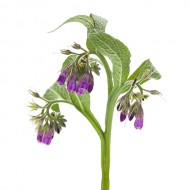
Melatonin is a hormone the brain makes in response to darkness; it helps time the body’s 24-hour clock and sleep. In the U.S. it is sold as a dietary supplement, mainly as a sleep aid, and most supplement melatonin is made synthetically. Plants make melatonin too: “phytomelatonin” on a label means melatonin taken from a plant, such as St. John’s wort, rather than synthesized. It has also been used in hair products.
Key information
- In the United States melatonin is sold as a dietary supplement; in several other countries it is available only with a prescription.
- A 2023 study found that 22 of 25 melatonin gummy products were inaccurately labeled; one had no detectable melatonin, and the rest contained 74 to 347 percent of the stated amount.
- Reports to U.S. poison control centers about melatonin taken by people 19 and younger rose from 8,337 in 2012 to 52,563 in 2021.
- The EU's Scientific Committee on Consumer Safety concluded in 2010 that melatonin at up to 0.0033 percent in hair products does not pose a risk to consumers.
More information
According to the National Center for Complementary and Integrative Health (NCCIH), short-term use of melatonin supplements appears to be safe for most people, but information on long-term safety is lacking. Reported side effects include headache, dizziness, nausea and sleepiness, and NCCIH says people with epilepsy or taking blood thinners need medical supervision to use it. U.S. rules for supplements are looser than for drugs.
Labels are often inaccurate. In a 2017 study of 31 supplements, most did not contain the amount listed, and 26 percent contained serotonin; in a 2023 study, 22 of 25 gummy products were mislabeled. Children are a particular concern: the CDC estimated about 11,000 emergency department visits in 2019 to 2022 for unsupervised melatonin ingestion by children 5 and younger, many involving flavored products such as gummies. NCCIH advises parents to talk with a health care provider before giving melatonin to children.
“Phytomelatonin” is the same molecule. A 2023 review notes that St. John’s wort extracts concentrated to about 1 percent melatonin have been commercialized, but plant levels vary widely and plant-sourced products are hard to check for added synthetic melatonin. St. John’s wort itself can weaken many medicines, and the label does not say how much of the herb’s other compounds remain; see our St. John’s Wort Extract profile.
On skin, the SCCS found that melatonin at 0.0033 percent in hair products does not pose a risk; blood levels after scalp application stayed within the body’s normal range.
Reality check: melatonin is a hormone, not a vitamin. The evidence for short-term adult use is reassuring, but gummy doses are often inaccurate, long-term effects are unknown, and gummies belong out of children’s reach.
Sources: NCCIH: Melatonin, what you need to know; SCCS: Opinion on melatonin (2010); Metabolites (2023): Melatonin from microorganisms, algae, and plants as possible alternatives to synthetic melatonin; NCCIH: St. John’s Wort