What is it?
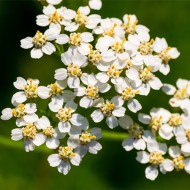
An ingredient made from wild pansy (Viola tricolor), also called heartsease, a flowering plant in the violet family with a long history in European herbal medicine. An extract of the plant is broken down (hydrolyzed) with acid, enzymes or another method into smaller components. In cosmetics it is listed in the European Union as a skin-protecting ingredient and is used in skin care products.
Key information
- Hydrolyzed wild pansy extract is an extract of Viola tricolor that has been broken down by acid, enzymes or another method.
- The European Medicines Agency's herbal committee found no serious concern about the toxicity of wild pansy herb.
- The plant contains flavonoids such as rutin and small amounts of salicylic acid and related compounds.
- People who are allergic to salicylates or to plants in the violet family may want to avoid it.
More information
Wild pansy herb, the dried flowering parts of the plant, has a long history in European herbal medicine, particularly for skin use. In 2010 the European Medicines Agency’s herbal committee (HMPC) published a monograph on it as a traditional herbal medicine, based on long-standing use rather than clinical trials. Its assessment lists flavonoids (mainly rutin), mucilage, carotenoids, tannins and small amounts of salicylic acid and related compounds among the plant’s constituents.
The committee found no serious concern about the toxicity of wild pansy herb and no reports of adverse effects from EU member states. It also noted gaps: standard tests for genetic damage, cancer and reproductive effects have not been done, and allergic reactions to the violet family should be considered. Its monograph lists allergy to salicylates as a reason not to use the herb, and it does not recommend medicinal skin use in children under 12 because of a lack of data. One case of hemolysis (breakdown of red blood cells) was reported in an infant with G6PD deficiency who was given wild pansy by mouth.
The hydrolyzed extract used in cosmetics has not been assessed on its own by the Cosmetic Ingredient Review or the EU’s Scientific Committee on Consumer Safety, and its EU cosmetic ingredient listing (CosIng) carries no restrictions. We found no reports of skin reactions to it. On labels, look for “hydrolyzed Viola tricolor extract.”
Sources: European Commission CosIng: Hydrolyzed Viola Tricolor Extract; European Medicines Agency: Community herbal monograph on Viola tricolor L., herba cum flore (2010); European Medicines Agency: Assessment report on Viola tricolor L., herba cum flore (2010)