What is it?
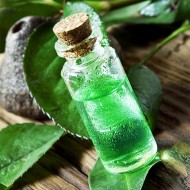
An essential oil distilled from catnip, Nepeta cataria, an herb in the mint family best known for the euphoric reaction it causes in many cats. The oil can be almost entirely nepetalactone, the compound thought to trigger that reaction, which also repels mosquitoes and other biting insects. It is used as a fragrance and in plant-based insect repellents.
Key information
- One catnip oil analyzed in a 2024 study was about 97.5 percent nepetalactone.
- A refined, hydrogenated catnip oil has been registered with the EPA as a skin-applied insect repellent since 2008.
- For that refined oil, the EPA reported low skin irritation, low eye irritation and no skin sensitization.
More information
Catnip oil is distilled from the leaves, stems and flowers, and its makeup depends on the plant variety. Oil from the variety used in a 2024 repellent study was about 97.5 percent nepetalactone, with small amounts of caryophyllene. In that study, oil diluted to 2 percent repelled more than 70 percent of Aedes aegypti mosquitoes for one to four hours. Earlier studies comparing catnip oil or nepetalactone with DEET had mixed results.
The EPA first registered a pesticide made from refined oil of Nepeta cataria, also called hydrogenated catmint oil, in 2008; seven registered end-use products contain 7 to 15 percent of it. Hydrogenation converts nepetalactone into dihydronepetalactone. In its 2024 preliminary work plan for re-reviewing the ingredient, the EPA reported that the refined oil it has data for has low acute toxicity and low skin irritation, is not a skin sensitizer and is not considered mutagenic or genotoxic. It also said the refined oil from a second registered source may differ enough to need its own data.
Those results describe a processed oil rather than the plain essential oil used in cosmetics. The plain oil has not been reviewed by the Cosmetic Ingredient Review (CIR) Expert Panel or classified as an allergen by the EU’s Scientific Committee on Consumer Safety, so the evidence on it is limited but has not raised specific concerns.
On cosmetic labels the plain essential oil appears as Nepeta Cataria Oil, while EPA-registered repellents use the refined, hydrogenated form. Catnip’s effect on cats is not universal: in a 2017 study of 100 domestic cats, about one in three did not respond to it.
Sources: EPA: Refined Oil of Nepeta cataria, Registration Review Preliminary Work Plan (2024); Scientific Reports (2024): Evaluating repellence properties of catnip essential oil against Aedes aegypti; BMC Veterinary Research (2017): Responsiveness of cats to silver vine, Tatarian honeysuckle, valerian and catnip