If you live in one of seven states, the makeup and skin care on store shelves can no longer contain intentionally added PFAS, the family of chemicals known as “forever chemicals.” Several more states have bans on the way. Meanwhile the FDA, which has no federal ban, has published its first review of PFAS in cosmetics, and found it couldn’t judge the safety of most of them.
What PFAS are, and why they’re in cosmetics
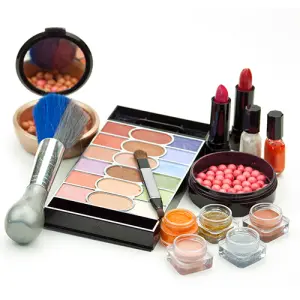
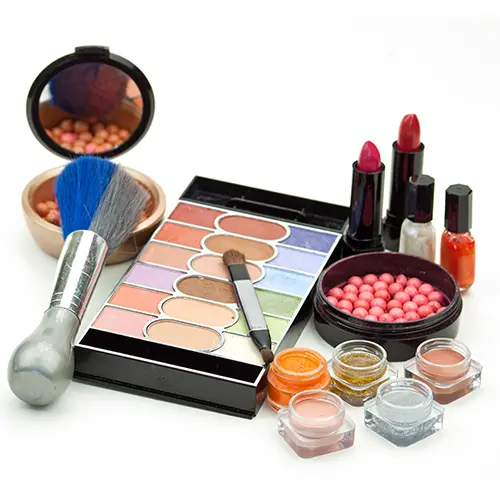
PFAS (per- and polyfluoroalkyl substances) are a large group of man-made chemicals that resist water, oil and heat. In cosmetics, the FDA says they are used “to condition and smooth the skin and hair, making them appear shiny, or to affect product consistency and texture.” They turn up in foundations, eye shadows, eyeliners, face powders, lipsticks, moisturizers and nail polish.
The concern is persistence. As the FDA puts it, “many PFAS break down very slowly and some accumulate in people, animals, and the environment over time.” A few well-studied PFAS, such as PFOA and PFOS, have been linked to serious health effects, and the EPA regulates some of them in drinking water. Most PFAS used in cosmetics have been studied far less.
Where they’re banned
These states now prohibit cosmetics with intentionally added PFAS:
- California (since January 1, 2025)
- Colorado (since January 1, 2025)
- Maryland (since January 1, 2025)
- Minnesota (since January 1, 2025)
- Washington (manufacturers since January 1, 2025, and stores had until January 1, 2026 to sell off old stock)
- Maine (since January 1, 2026)
- Vermont (since January 1, 2026)
More are coming. Since July 1, 2026, Connecticut has required cosmetics with intentionally added PFAS to be labeled and reported to the state. Bans in Oregon, New Hampshire and Rhode Island start in 2027 (Oregon’s and New Hampshire’s on January 1). New Jersey’s and New Mexico’s follow in 2028, and Illinois’s in 2032.
Because big brands sell nationally, many are reformulating everywhere rather than making separate products for each state. So these laws can change what’s on shelves even where you live.
What the FDA found
The 2022 Modernization of Cosmetics Regulation Act required the FDA to study PFAS in cosmetics. Its report, published December 29, 2025, found:
- 51 PFAS intentionally added to 1,744 cosmetic products registered in the U.S. as of August 2024.
- The most common was PTFE (polytetrafluoroethylene, the chemical behind Teflon), found in about 28 percent of PFAS-containing products.
- Eye shadows, leave-on face products, eyeliners, face powders and foundations made up about 56 percent of PFAS-containing products.
- Of the 25 PFAS the agency reviewed, it rated 5 as low concern and flagged 1 as a potential concern in body lotion at the highest levels used. For the other 19, it could not determine safety because of a “lack of critical toxicological data.”
The FDA described “significant data gaps”: little information on how much PFAS products contain, how much passes through skin, and whether they are toxic when applied to skin. There are still no federal rules on PFAS in cosmetics, though the agency says its position “may be subject to change as new scientific evidence emerges.”
How to spot PFAS on a label
You won’t see “PFAS” on an ingredient list, but you can look for:
- PTFE or polytetrafluoroethylene
- Names containing “fluoro”, such as perfluorononyl dimethicone, perfluorodecalin or trifluoroacetyl tripeptide-2
- Names starting with “perfluoro” or “polyfluoro”
Long-wear and waterproof products, such as foundation, mascara and eyeliner, are the most likely to contain them. For a quick check, paste any ingredient list into our label checker to see how each ingredient is rated in our database.