On October 22, 2026, the U.S. Food and Drug Administration (FDA) issued final guidance explaining how it will use its power to order a cosmetic off the market. The guidance covers when FDA can order a recall, the steps it will follow first, and what a company must do once an order is issued. FDA said it reviewed public comments on the December 18, 2025 draft and made no substantive changes.
Why this matters
For most of the history of U.S. cosmetics law, recalls of cosmetics have been voluntary. If a company declined to pull a product, FDA could warn the public but could not order a recall. The Modernization of Cosmetics Regulation Act of 2022 (MoCRA), which FDA calls "the most significant expansion of FDA's authority to regulate cosmetics since the Federal Food, Drug, and Cosmetic (FD&C) Act was passed in 1938," changed that by adding mandatory recall authority as section 611 of the FD&C Act. The new guidance is FDA's explanation of how that authority will work in practice.
FDA still expects most problem products to be handled the old way. The guidance says the agency "continues to encourage firms to voluntarily recall violative cosmetics and expects most violative cosmetics will continue to be voluntarily recalled."
When FDA can order a recall
FDA must find two things:
- "there is a reasonable probability that the cosmetic is adulterated under section 601 of the Act or misbranded under section 602 of the Act"; and
- "there is a reasonable probability that the use of or exposure to the cosmetic will cause serious adverse health consequences or death."
A cosmetic can be adulterated if, for example, it contains a poisonous or deleterious substance that may make it injurious to users, uses an unsafe color additive, was made under insanitary conditions, or lacks adequate substantiation of safety. In weighing a case, FDA says it may consider inspection findings, lab results on raw materials or finished products, injury reports, consumer and trade complaints, and how vulnerable the users are, naming "infants, toddlers, the elderly, pregnant women, medically-compromised individuals."
How the process works
- A chance to act voluntarily. FDA first notifies the company in writing and gives it the opportunity to stop distribution and recall the product on its own.
- Order to cease distribution. If the company refuses or does not act in time, FDA may order it to immediately stop distributing the product.
- Informal hearing. The company may get an informal hearing, held no later than 10 days after the order, on whether the evidence justifies it.
- Outcome. FDA then vacates the order, keeps it in place until a set date, or amends it to require a full recall with a timetable and progress updates.
- Penalties. Refusing or failing to follow an order is a prohibited act that can lead to an injunction or criminal prosecution.
When a recall is ordered, FDA says it will ensure a press release is published naming the product and describing the risk, and post a product image on its website when one is available.
What it covers, and what it doesn't
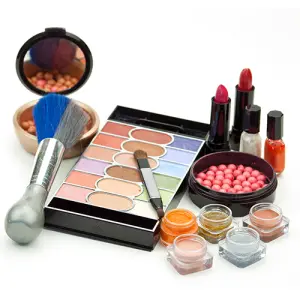
The authority applies to products that meet the legal definition of a cosmetic, such as makeup, lotions, shampoos and fragrances. That definition excludes true soap. Products that are also drugs or devices, such as sunscreens or antiperspirants, fall under other recall authorities instead.
What you can do
- Stop using any recalled lot listed on FDA's recalls page.
- Report a bad reaction to a cosmetic to FDA through MedWatch. Under MoCRA, companies must also report serious adverse events to FDA within 15 business days.
- Be cautious with imported or unlabeled skin creams. FDA has warned that some, often sold as skin lighteners, contain mercury.
- Read the full ingredient list, and run it through our label checker to see how each ingredient is rated.
Sources
- FDA: FDA Issues Final Guidance on Mandatory Cosmetic Recalls (October 22, 2026)
- FDA: Questions and Answers Regarding Mandatory Cosmetics Recalls: Guidance for Industry (October 2026)
- FDA: Modernization of Cosmetics Regulation Act of 2022 (MoCRA)
- FDA: Mercury Poisoning Linked to Skin Products
- FDA: MedWatch Safety Information and Adverse Event Reporting Program