What is it?
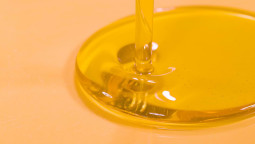
The sweet, thick substance honeybees make from flower nectar and store in the comb. It is mostly sugars, chiefly fructose and glucose, with small amounts of other compounds that vary with the flowers the bees visited. In cosmetics honey is used as a humectant and skin-conditioning ingredient, helping skin and hair hold moisture, in cleansers, masks, lotions, lip products and hair care. It is also found in foods and in some over-the-counter cough and cold medicines.
Key information
- Honey is made by honeybees from flower nectar and is mostly fructose and glucose.
- In 2020 the CIR Expert Panel concluded that honey and six honey-derived ingredients are safe in the present practices of use and concentration.
- Honey was reported in 1,059 cosmetic products, at up to 3 percent in leave-on products and up to 22 percent in rinse-off masks.
- Honey should never be fed to babies under 1 year old because of infant botulism, a risk from eating honey rather than from skin products.
More information
Bees carry nectar back to the hive, where enzymes from their glands convert its sucrose into fructose and glucose, and the draft from their wings evaporates most of the water before they cap the comb with wax. The Cosmetic Ingredient Review (CIR) Expert Panel assessed honey and six related ingredients, including honey extract and hydrolyzed honey, and concluded in a 2020 final report that they are safe in the present practices of use and concentration. Honey was reported in 1,059 products, 671 of them left on the skin, at up to 3 percent in leave-on products and up to 22 percent in rinse-off masks.
In a repeat patch test on 112 people, a product containing 7 percent honey extract caused no irritation or allergic reactions. Honey allergy does occur, though the report describes only individual cases, including a woman who developed facial redness and hives after years of using honey face masks and honey soap. Honey can contain pollen and trace bee secretions, which are potential allergens. The panel asked manufacturers to limit pesticide residues and endotoxins and to avoid honey from toxic plant sources, since nectar from some plants, such as certain rhododendrons, can carry plant toxins into honey.
The best-known caution concerns babies and food. The CDC advises never giving honey, including honey pacifiers, to a child younger than 1 year, because it can contain spores of the bacteria that cause infant botulism. That risk comes from swallowing honey; the CIR notes that neither the spores nor the toxin can penetrate skin, though damaged skin may be affected.
On labels, look for honey, honey extract or hydrolyzed honey. If you are allergic to honey, pollen or bee products, check the ingredient lists of masks, cleansers and lip products.
Sources: Cosmetic Ingredient Review: Safety assessment of honey-derived ingredients as used in cosmetics, final report (2020); CDC: Preventing botulism