What is it?
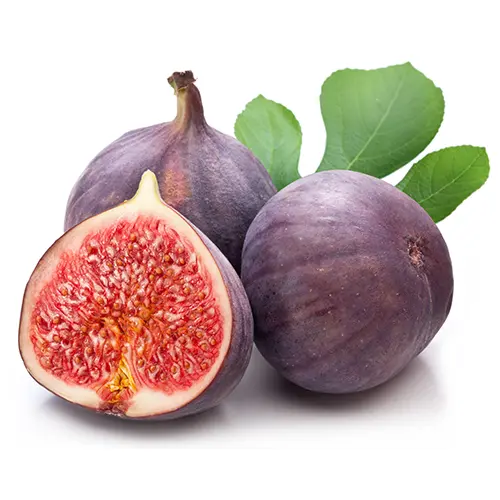
Figs originated in Arabia and grow best in areas with hot, dry summers and cool, wet winters. Although considered a fruit, the fig is actually an inverted flower, and the seeds are the fruit, according to the California Fig Advisory Board. Flower or fruit, the nutrient-rich dried fig can help you meet some of your essential nutrient needs, making it a healthy addition to your diet.
More information
Fig Health Benefits:
- Figs contain more calcium than most other fruits, according to the California Fig Advisory Board, with 121 mg in a 1/2-cup serving. Adequate calcium intake supports bone health and growth, and reduces your risk of developing osteoporosis. Adults need 1,000 to 1,200 mg of calcium a day. One serving of dried figs meets 12 percent of your daily value for calcium, almost the same as 1 cup of unpacked cottage cheese. Including a variety of calcium-rich foods in your diet, like dried figs, can make help ensure that you meet your daily needs.
- Consuming dried figs can help you meet your daily potassium needs and help lower your blood pressure. A 1/2-cup serving of dried figs contains 507 mg of potassium. Potassium is a mineral that helps maintain fluid balance. Increasing your daily intake of potassium can help blunt the effects of sodium, helping to lower your blood pressure. The American Heart Association says a healthy diet should contain 4,700 mg of potassium a day from natural foods. One serving of dried figs can help you meet 10 percent of your daily potassium needs.
Reference: http://bit.ly/1EsIj38