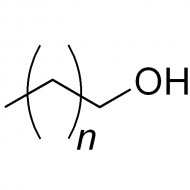
What is it?
The acetate ester of alpha-tocopherol, the main form of vitamin E. Vitamin E is often combined with acetic acid this way to prolong its shelf life, and tocopheryl acetate is the most common form of vitamin E in skin care and sunscreens. It is also used in dietary supplements and fortified foods. In cosmetics it works as an antioxidant and skin-conditioning ingredient and appears in almost every product category, from lotions and lipsticks to hair sprays.
Key information
- Tocopheryl acetate is vitamin E (alpha-tocopherol) joined to acetic acid, a form that keeps longer than plain vitamin E.
- The CIR Expert Panel concluded in 2014 that it and related tocopherols are safe as used in cosmetics.
- Laboratory studies show that some of it is converted back to free vitamin E in the living layers of the skin.
- Vitamin E acetate was strongly linked to the 2019 vaping lung-injury outbreak when inhaled, not when used on skin.
More information
Tocopheryl acetate is made by reacting vitamin E with acetic acid. The vitamin E can be isolated from vegetable oils or made synthetically. Natural vitamin E is usually labeled d-alpha, and the synthetic mix of forms dl-alpha. According to the NIH Office of Dietary Supplements, esterifying vitamin E prolongs its shelf life, and the body absorbs these esters from supplements and fortified foods as efficiently as vitamin E itself. See also our Vitamin E profile.
On skin, studies reviewed by the Cosmetic Ingredient Review (CIR) found that tocopheryl acetate is absorbed into the skin and some of it is converted to free vitamin E in the deeper, living layers; in a human study, systemic absorption was not observed. In its 2014 re-review the CIR Expert Panel concluded that tocopheryl acetate and related tocopherols are safe as used in cosmetics. It was reported at up to 36 percent in cuticle softeners and 0.1 percent in baby lotions, oils and creams, and the panel’s original report noted “vitamin E oil” made of 100 percent tocopheryl acetate. In clinical studies it was not an irritant or sensitizer, and the panel noted that skin reactions to vitamin E in people are rare.
Reality check: vitamin E acetate made headlines during the 2019 outbreak of lung injuries among people who vaped, mostly THC-containing products from informal sources, in which it was used as an additive. The CDC strongly linked it to the outbreak and found it in lung fluid from 48 of 51 patients tested. The same CDC page notes that vitamin E acetate usually does not cause harm when swallowed as a supplement or applied to the skin; the problem is inhaling it. If you have reacted to vitamin E products before, check labels for both tocopherol and tocopheryl acetate.
Sources: Cosmetic Ingredient Review: Safety assessment of tocopherols and tocotrienols as used in cosmetics (final amended report, 2014); NIH Office of Dietary Supplements: Vitamin E fact sheet for health professionals; CDC: Outbreak of lung injury associated with the use of e-cigarette, or vaping, products (archived, February 2020)