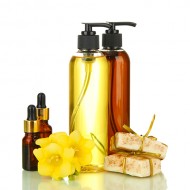
What is it?
An extract of the whole fruit of the grapefruit. Ingredient labels call it Citrus Grandis Fruit Extract, although botanists generally use Citrus grandis for the pomelo and Citrus paradisi for grapefruit. Grapefruit contains sugars, citric and malic acids, vitamin C and flavonoids such as naringin, along with natural coumarins such as bergapten. In cosmetics it is used in leave-on and rinse-off products as a skin-conditioning, astringent, toning and scenting ingredient.
Key information
- The CIR Expert Panel concluded in 2016 that citrus fruit ingredients, including grapefruit fruit extract, are safe when formulated to be non-sensitizing and non-irritating.
- Leave-on products must contain no more than 15 ppm of bergapten (5-MOP), a natural citrus compound that can cause skin reactions in sunlight.
- A toner containing 0.16 percent grapefruit fruit extract caused no skin allergy in a human repeat insult patch test.
- Grapefruit's well-known drug interactions happen in the small intestine, after eating the fruit or drinking the juice.
More information
One supplier described to the Cosmetic Ingredient Review (CIR) a grapefruit fruit extract made by milling the fruit into a powder, with furocoumarins limited to less than 1 ppm. In data gathered for the CIR review, the extract was reported in 211 cosmetic products, at up to 15 percent in face and neck products, the second-highest use level among the 80 citrus fruit ingredients reviewed.
In 2016 the CIR Expert Panel concluded that these citrus fruit ingredients are safe in rinse-off and leave-on products when formulated to be non-sensitizing and non-irritating, provided leave-on products contain no more than 15 ppm (0.0015 percent) of bergapten, also called 5-MOP. Bergapten is a furocoumarin that can cause phototoxic, sunburn-like reactions on skin exposed to sunlight; the Panel agreed that following the fragrance industry’s IFRA standards for these compounds prevents that. The powdered grapefruit extract did not irritate skin or eyes in laboratory tests, and a toner with 0.16 percent extract caused no allergy in a human repeat insult patch test. EU rules prohibit furocoumarins in cosmetics except at levels normally present in natural essences, and cap them below 1 mg/kg in sun-protection and bronzing products.
Grapefruit is also known for interacting with some medicines. According to the FDA, grapefruit juice can block an enzyme called CYP3A4 in the small intestine, so more of certain drugs taken by mouth enters the blood; the FDA’s warnings concern eating grapefruit or drinking the juice while taking those drugs. On labels, look for Citrus Grandis Fruit Extract or Citrus Paradisi Fruit Extract. For the essential oil, see our Grapefruit Peel Oil profile.
Sources: CIR: Safety Assessment of Citrus Fruit-Derived Ingredients as Used in Cosmetics (final report, 2016); FDA: Grapefruit Juice and Some Drugs Don’t Mix