What is it?
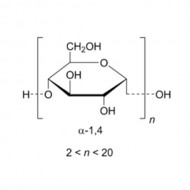
The simple sugar that circulates in human blood, also called dextrose. It occurs naturally in fruits and other plant parts and is the building block of starch and cellulose. Commercial glucose is made by breaking down corn starch with acids or enzymes, then refining and crystallizing it. In cosmetics and personal care products it works as a humectant, helping skin and hair hold on to moisture.
Key information
- The CIR Expert Panel concluded in 2019 that glucose is safe in cosmetics in the present practices of use and concentration.
- It was reported in 425 cosmetic products, at up to 91 percent in a leave-on hair product.
- The FDA lists glucose (as corn sugar, or dextrose) as generally recognized as safe (GRAS) in food, with no limit other than good manufacturing practice.
More information
Glucose is one of the most common natural molecules. Plants make it and link it into starch and cellulose, and normal human blood contains about 0.08 to 0.1 percent glucose. The FDA describes food-grade glucose, which it calls corn sugar, as produced by the complete hydrolysis of corn starch with safe and suitable acids or enzymes, followed by refining and crystallization.
The Cosmetic Ingredient Review (CIR) Expert Panel assessed glucose with 24 other sugars and related ingredients and, in a report published in 2019, concluded that they are safe in the present practices of use and concentration. Glucose was the third most used ingredient in the group, in 425 products. It had the highest reported leave-on concentration of any ingredient reviewed, 91 percent in a hair product, and was used at 97.8 percent in an oral hygiene product meant to be swallowed. The panel noted that the oral safety of these common dietary sugars is well documented and that glucose is a GRAS food ingredient, so it did not consider systemic effects a concern.
The EU’s cosmetic ingredient inventory lists glucose as a humectant, with no restrictions. On labels it may appear as glucose or dextrose. Glucose is also the starting material for other ingredients; sorbitol, for example, is made by hydrogenating it.
Sources: Cosmetic Ingredient Review: Safety assessment of monosaccharides, disaccharides, and related ingredients as used in cosmetics (International Journal of Toxicology, 2019); 21 CFR 184.1857: Corn sugar (via Cornell LII); European Commission CosIng: Glucose